




























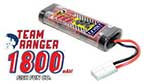
Your Rc Fishing Boat Includes a 7.2V 1800mAh NI-CD Battery and Charger.
Your Battery Should Last 15-20 Minutes, Longer if you're not Racing it.
Below are Battery Accessories and Battery Options.
Your Battery Should Last 15-20 Minutes, Longer if you're not Racing it.
Below are Battery Accessories and Battery Options.












1800 Nicd battery
$19.95
$19.95

OLD RADIO RANGER l OR ll
Pre 2018 LuckyStrike, Bass Sport
1800 Mah NI-CD Battery
Nickel Metal Hydride (NICD)
Length: 5.39" (137mm)
Width: 1.77" (45mm)
Weight: 14.4 oz (0.41kg)
Plug Type: Tamiya
Capacity: 1800mAh Cell Configuration: 6-Cell Voltage: 7.2V Amp Rating: 1.8 amps
Pre 2018 LuckyStrike, Bass Sport
1800 Mah NI-CD Battery
Nickel Metal Hydride (NICD)
Length: 5.39" (137mm)
Width: 1.77" (45mm)
Weight: 14.4 oz (0.41kg)
Plug Type: Tamiya
Capacity: 1800mAh Cell Configuration: 6-Cell Voltage: 7.2V Amp Rating: 1.8 amps




New Radio Ranger lll-Luckystrike-Bass Sport Battery


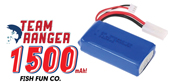
1500 Battery
$19.95
$19.95


Extra Battery Pack 7.2 1800mah Ni-CD Battery Pack
Double your run time with an extra boat battery.
15-20 minutes run time, up to a half hour without racing.
Fits Radio Ranger, LuckyStrike, and Bass Pro
Your New Rc Fishing Boat includes a Blue 1500 Mah Lithium battery, Buy above 1500 Mah for 15-20 minutes extra run time. Please note, if you have an older ( before 1/22/2018 ) Radio Ranger the battery is Yellow it is a NIMH or NICD. See the Batteries to the right.








COMBINE TWO BATTERIES



5000 Nimh Battery
$39.95
$39.95

OLD RADIO RANGER l OR ll
Pre 2018 LuckyStrike, Bass Sport
5000 Mah NIMH Battery Battery Type: Nickel Metal Hydride (NI-MH) Length: 5.39" (137mm)
Width: 1.77" (45mm)
Weight: 14.4 oz (0.41kg)
Plug Type: Tamiya
Capacity: 5000mAh
Cell Configuration: 6-Cell Voltage: 7.2V Amp Rating: 1.8 amps
Pre 2018 LuckyStrike, Bass Sport
5000 Mah NIMH Battery Battery Type: Nickel Metal Hydride (NI-MH) Length: 5.39" (137mm)
Width: 1.77" (45mm)
Weight: 14.4 oz (0.41kg)
Plug Type: Tamiya
Capacity: 5000mAh
Cell Configuration: 6-Cell Voltage: 7.2V Amp Rating: 1.8 amps

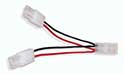
With the Parallel Y- Connector, connects two batteries together, adds the running time of both
batteries in your boat. No need to change batteries as often.
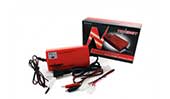

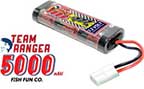

SMART CHARGERS
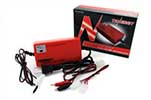



Charge your batteries in one third the time, and features peak charging, automatic shut-off and green light when your battery is charged. The Smart Charger completes the Ultimate Rc Fishing Boat Experience. Your Rc Fishing Boat from Rc Fishing World will include a battery and standard wall charger.
.The stock battery for the boat is a 7.2 volt 1800mah, (milliamp) 6 cell battery pack. The normal running time for the battery is 15-20 minutes, on a single charge. A 5000mah Battery will give you an extra 40-50 minutes of running time on a charge.
One thing to keep in mind when it comes to battery life is how you drive the boat. When the motors get hot the batteries will run out faster, so it is is a good idea if you want your battery to last longer to let it rest until the motors cool.
Ni-Cd batteries are the most well known kind of battery. NiCd batteries have a "memory effect"meaning that when the NiCd batteries are not properly charged and discharged that can actually lose that capacity to hold a full charge over time. When NiCd batteries are properly maintained, they are known to be able to produce 1500 cycles of use (meaning charge and discharge) and with the low price point, NiCd batteries are therefore known as a good value. Proper Charging - Using a proper NiCd battery charger is an excellent way to ensure the longest life possible for your rechargeable batteries. Proper battery chargers sense the voltage change once a battery has been fully charged. You can also purchase special battery chargers or controls that can charge, discharge, cycle and balance your batteries. Many encourage "trickle" charging or slow charging NiCd batteries for long life. Don't forget, NiCd batteries may heat up during charging. Let the battery cool off before using it and let it cool before charging it.
Storing NiCd batteries - You want to store NiCd batteries in a cool, dry place to reduce the risk of corrosion and damage to the batteries. Because batteries lose their charge naturally over time, you need to charge NiCd batteries once per year and exercise them approximately monthly. Exercise is the process of discharging the battery, usually up to one volt to ensure the maintenance of proper capacity. Discharging properly can actually recondition an NiCd battery. Generally, an NiCd battery has a shelf life of six months (give or take) so take that into consideration when you make your storage decisions. Specifically, NiCd batteries will lose approximately 10% of their power per month while in optimal storage. General Rechargeable NiCd Battery Info - Most rechargeable NiCd batteries come completely discharged and need to be fully charged when they arrive. In many instances you won't get the optimal power from the battery until it's been discharged and recharged two or three times.
NiMH Batteries
We know that NiMH batteries are the industry standard in the RC world and that's because they are consistent, reliable and have a long shelf life. NiCd batteries are considered to be a good value for folks just playing around with RC but NiMH with their longer shelf life and high level of performance are a great choice for today's RC enthusiast. Lower amp charging is better - When you need to recharge NiMH batteries, a big thing to consider is how quickly you plan to charge them and at what voltage. If you charge it at a higher rate there is no performance improvement. Professionals recommend a charge rate of 3-5 amps. A slower, less amperage charge will yield the best results. Don't Discharge All The Way - If you want to discharge your NiMH battery pack, you can safely do so at pretty much any rate, but you should not discharge them completely. Because NiMH batteries are not susceptible to the same "memory effect" we see with NiCd batteries, you should leave a little charge in them. if you are planning to store your batteries for more than a week, you should actually make sure your NiMh batteries are at about half charge.


Maximum Power Upgrade 7.2 5000mah NiMH Battery Pack
Pushing the envelope of Sub C size battery technology, Team
40-50 minutes run time, more if not racing.
Fits Luckystrike, Bass Pro and Old Style Radio Ranger
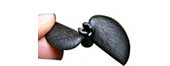





Smart Charger
$24.95
$24.95

OLD RADIO RANGER l OR ll
Pre 2018 LuckyStrike, Bass Sport
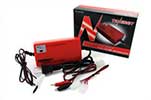
Smart Battery Charger
A Step up than the Battery Charger that comes with your Rc Fishing Boat. Select the Charging Current, .9A or 1.8A Deliver a Full Charge in 1-2 Hours Automatically Detects Charge in the Battery and Shuts Off when Charging is Finished. Red Light: Charging-Green: Charged
Pre 2018 LuckyStrike, Bass Sport
Smart Battery Charger
A Step up than the Battery Charger that comes with your Rc Fishing Boat. Select the Charging Current, .9A or 1.8A Deliver a Full Charge in 1-2 Hours Automatically Detects Charge in the Battery and Shuts Off when Charging is Finished. Red Light: Charging-Green: Charged








All Rc Boats Already Include Standard Wall Charger.
Get Your Rc Fishing Boat in the Water Faster! Smart Universal
Charger for NiMH / NiCd Battery pack 7.2V - 12V with
Charging Current Selection/Temperature Sensor.
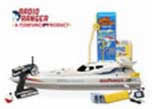
34" Radio Ranger $99.95






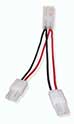
Parallel Y-Connector
$3.99
$3.99

OLD RADIO RANGER l OR ll
Pre 2018 LuckyStrike, Bass Sport
Parallel Y Battery Connector Features:
Connect two rc boat batteries. Longer running time.
No need to switch batteries as frequently.
Specifications: Fits all Fish Fun Co Boat Batteries.
Tamiya Connector type
Pre 2018 LuckyStrike, Bass Sport
Parallel Y Battery Connector Features:
Connect two rc boat batteries. Longer running time.
No need to switch batteries as frequently.
Specifications: Fits all Fish Fun Co Boat Batteries.
Tamiya Connector type
32" Luckystrike
$84.95
$84.95



30" Bass Sport
$79.95
$79.95


Parallel Y Connector
Add The Run Time of Two Batteries.Connect two batteries!
Plug each battery into the connector, then plug it into your boat.
Now you have the combined running time of each battery.
1-1800mah battery plus 1-1800mah battery = 3600mah.
*note: For Radio Ranger only use NI-CD Batteries.
Do not charge two batteries with the Y-Connector.
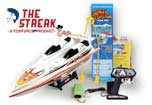
29" Streak
$79.95
$79.95







Battery Holder Strap
$1.99
$1.99

"Team Ranger"
Battery Strap
Features:
Fasten two rc boat batteries. Holds Batteries in place.. For Use When Usng two Batteries.
Battery Strap
Features:
Fasten two rc boat batteries. Holds Batteries in place.. For Use When Usng two Batteries.
23" Fishin Buddy $59.95



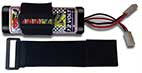

Velcro Battery Strap
When you use two batteries in your Rc Boat it is important
that you place the second battery on top of the first battery.
Fastening them together keeps them from sliding around and
unbalancing the boat. These straps are heavy duty and wide.

*If a “Team Ranger” battery is not in stock we may replace it with a different brand of equal quality.






















































Questions? Call us Toll Free 1-(734)-502-8796 Contact Us, See our Privacy Policy
Sporting Goods > Outdoor Recreation > Fishing > Remote Control Fishing Boats>Radio Ranger RC Fishing Boat
Toys - Games > Toys > Radio Control Toys > Radio Control Fishing Boats>Radio Ranger RC Fishing Boat